


Preparing for getting a hair transplant is important and by taking the proper steps you can help improve the quality of your results. In this guide, Dr. Simon Pimstone MD, PhD, FRCPC, provides guidance with a time-based checklist, so you are ready for your surgery day. If you have any other questions or concerns, make sure you reach out directly to your surgeon.
[[BEFORE_HAIR_T_01]]
Key points:
A hair transplant is a commonly performed procedure and in the right hands, generally comes with a low risk.
Of course, the outcome is heavily dependent on the quality and experience of the surgeon, but in order to get the best results, you should prepare well ahead of time and have a plan in place that takes the cause of your hair loss into consideration. With proper planning, you can greatly improve the chances of a successful hair transplant that looks great and lasts for the rest of your life.
- Start taking medications like minoxidil, finasteride or dutasteride as long as possible before surgery to stop the hair loss and improve donor site hair density.
- Get medical clearance from your doctor that you are healthy enough to get the hair transplant. This is particularly important if you have any co-existing medical conditions.
- Avoid nicotine, alcohol and recreational drugs. These can slow wound healing and recovery and also make the skin less elastic.
- Follow your surgeon’s instructions about any medications you’re taking, especially if you are on anticoagulants (blood thinners), blood pressure or diabetes medications.
- Plan for your recovery after your surgery.
Table of contents
- Build a 6–12 month hair loss maintenance plan before surgery
- Before you book: is getting a hair transplant worth it?
- Getting hair transplant too early: when timing works against you
- Does getting a hair transplant hurt?
- At-a-glance: preparing for hair transplant surgery timeline
- Step-by-step: how to prepare for hair transplant surgery
- Medication & supplement planning before hair transplant surgery
- Smoking, vaping, alcohol, caffeine: what to pause and why
- Scalp and hair prep (including shaving rules)
- Logistics checklist: work, rides, supplies, recovery setup
- How to prepare for FUE hair transplant vs FUT
- Travel & safety plan (medical tourism)
- FAQ
- References
Build a 6–12 month hair loss maintenance plan before surgery
When you get your hair transplant, the surgeon will take hair from the back of your head and fill in the areas without hair with these donor hairs. It won’t have any impact on the androgenic alopecia that caused the hair loss, so to optimize the results of your transplant it’s best to start taking DHT blocking medication first. (Nusbaum et al., 2013)
What this usually includes:
- A DHT-blocking medication such as finasteride or dutasteride would be considered the most effective medication option – if you are concerned about systemic side effects and want to minimize the risk, a topical solution might be a good option. These can be combined with minoxidil to be even more effective. Which medications and in whether to use an oral or a topical formulation, should be discussed with your doctor.
Why start 6–12 months before a transplant:
- DHT blockers take time to show meaningful results, and many studies evaluate patients over months (often up to 12 months for finasteride). (Arca et al., 2004)
- Stabilizing ongoing follicular miniaturization can help you avoid a situation where the transplant looks good short-term, but thinning continues in the areas of non-transplanted hairs (the “chasing hair loss” problem).
Topical finasteride
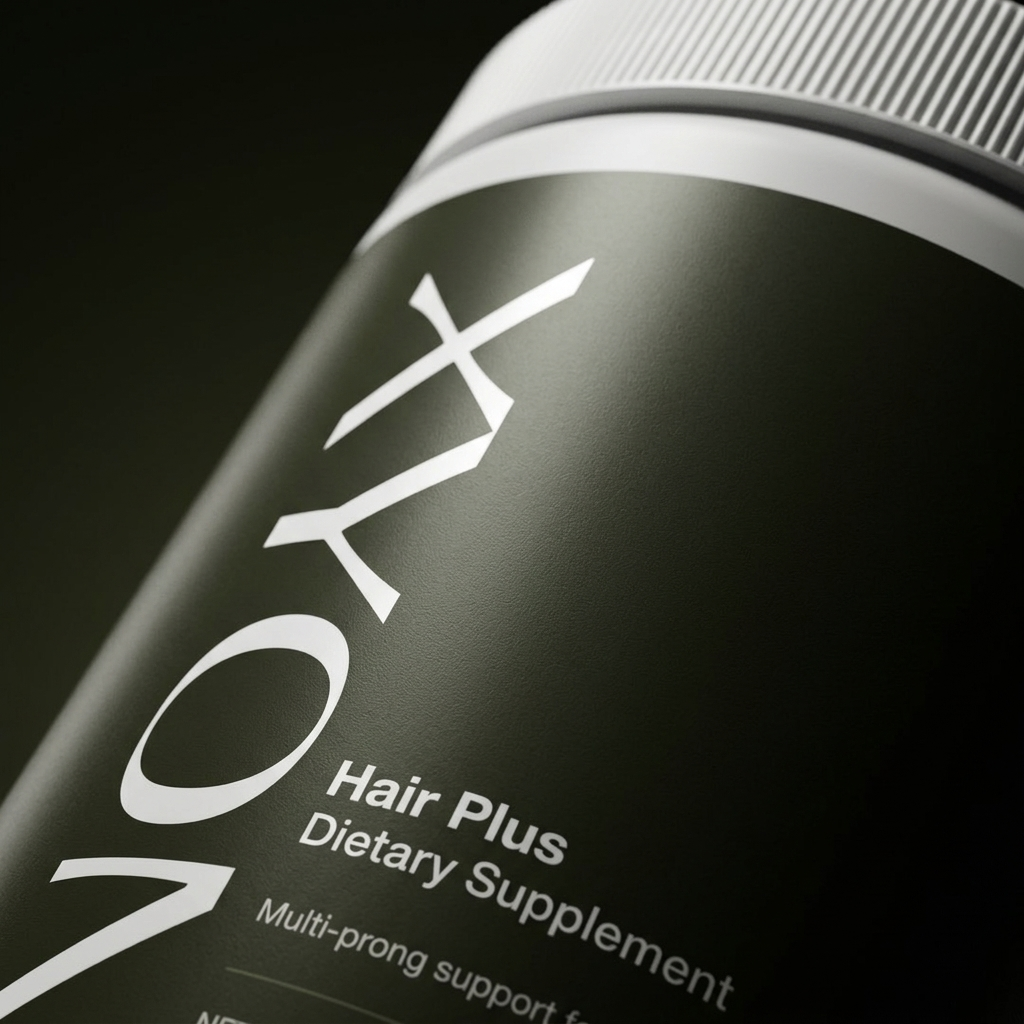
If you prefer to avoid systemic exposure and minimize your risk of side effects, topical finasteride is an option for addressing androgenetic alopecia. In a large randomized trial, topical finasteride significantly improved hair counts versus placebo, had a similar side effect profile compared with placebo and showed lower systemic absorption than oral finasteride. (Piraccini et al., 2022). XYON’s SiloxysSystem™ gel technology has been show to significantly lower systemic absorption and optimize skin delivery even compared with other topical solutions.
If your surgeon agrees, use a medication such as finasteride, dutasteride and/or minoxidil for at least 6 months to a year before surgery, so you can test how well you tolerate the medication and see how your hair responds before you commit to a graft number and hairline plan.
Topical Dutasteride
Dutasteride is an alternative to finasteride and is also an effective option for improving hair growth in men with androgenetic alopecia.
Topical dutasteride is not approved for hair loss in the US, Canada, or the EU and is used so called “off label”, often in cases involving larger areas of hair loss or for more rapidly aggressive cases of AGA. Because dutasteride is a more potent inhibitor or 5 alpha reductase (5AR), many patients may respond better to this medicine vs minoxidil or finasteride. Whether dutasteride is right for you will depend on what your prescribing doctor prefers in your specific case. (Panuganti et al., 2025)
A transplant plan is usually most effective when paired with a long-term hair loss strategy. Taking medications like finasteride or dutasteride for at least 6–12 months before you get surgery, and lifelong thereafter, is a great way to make the most of your hair transplant.
[[ALL_MENS_02]]
Is getting a hair transplant worth it?
Absolutely. Not everyone is a perfect candidate for a hair transplant, but for many men the results of a modern hair transplant can be a life changing experience. Be realistic about your expectations, listen to your surgeon, and you’ll wonder why you waited to get the procedure.
Before you start ask yourself:
- Is your hair loss pattern stable? Continuing hair loss can outpace your transplant plan unless you block the DHT with appropriate medication.
- Is your donor strong enough? Hair density in the donor area can determine how much hair can be transplanted.
- What is the long-term plan? Some men with larger areas of loss, will need more than one transplant. Ongoing hair loss management with medication over time is generally always recommended. (Goldin et al., 2025)
Getting hair transplant too early
If you get your hair transplant too early, you may not be happy with the long-term results. It will look great in the short term, but the remaining hair you have before surgery can continue to fall out and you can then need another procedure. This is why it’s highly recommended to start taking DHT blocking medication early and then continue taking it after your hair transplant.. (Mysore et al., 2021)
Does getting a hair transplant hurt?
Patients often describe it as discomfort and not pain. A hair transplant is done using local anesthesia so you should be comfortable throughout the process. You can expect these stages:
- Local anesthetic injections: brief stinging/pressure
- Post-op soreness/tightness: more common with FUT (strip) than FUE
- Itching during healing: common in the first week or two
If you don’t already know the difference between FUT and FUE, XYON clinic partners Dr Kevin Anderson and Dr. Ross Kopelman discuss them in this video from The Hair Doctors:
Preparing for hair transplant surgery - timeline
Your surgeon may adjust your preparation plan according to your medical profile, but this is an approximation of what you can expect:
3 weeks before your surgery day you’ll need to get your medical clearance. During this time, you should restrict or entirely stop using any nicotine products or drinking alcohol. (World Health Organization, 2020); (Tønnesen et al., 2009)
2 weeks before your surgery some doctors will advise you to stop using minoxidil because this medication increases blood flow to the scalp. A week to 10 days prior to your surgery you should stop taking Aspirin or any NSAIDs. (UK Clinical Pharmacy Association, n.d.)
72 hours before your surgery you should minimize your caffeine intake and prioritize hydration and sleep. Then when you go in to get your hair transplant, unless your surgeon tells you otherwise, you should eat a light breakfast, wear comfortable clothing that buttons up so you don’t have to pull anything over your head, and don’t forget your ID. Because the procedure can take a while it’s also best to select a show or some movies you’ll binge watch while getting your hair transplant.
How to prepare for hair transplant surgery
1) Get medical clearance
The first step in preparing for hair transplant is confirming you’re fit for surgery. Many healthy patients don’t need extensive bloodwork, but clinics may order tests if you have risk factors (bleeding history, diabetes, anemia risk, heart disease, high blood pressure, medication allergies or significant medical complexity).
Things to discuss with your doctor as early as possible:
- All medical conditions
- All medications and supplements (including PRN meds, vitamins, and herbal alternatives) as well as medication allergies
- History of fainting/panic attacks or reactions to anesthesia
- Prior wound-healing problems or keloid scarring
- Recent hospitalizations
Common lab tests before getting a hair transplant include: CBC, coagulation studies, glucose/HbA1c for diabetes management, and targeted labs based on clinical context (e.g., thyroid, iron/ferritin, B12/folate, vitamin D).
2) Confirm your plan (FUE vs FUT, graft count, hairline design)
If you fail to plan, then you’re planning to fail. Confirm the details of your hair transplant in writing:
- Technique (FUE vs FUT, or combination)
- Target zones (hairline vs crown vs diffuse thinning)
- Estimated graft count range
- What density is realistic for your donor supply
- Post-op follow-up plan
3) Build your recovery plan before you build your new hairline
Preparing for hair transplant surgery is easier when recovery is planned out ahead of time. Have your plan in place for how much time you’ll need off of work (it’s normally 3 – 7 days while the swelling and redness resolve). Have your ride home in place beforehand; you’ll be recovering from the sedatives used, so driving yourself home is not an option. Get your bed ready so you can sleep on your back; this is advisable for better recovery. Your surgeon might provide you with specific sleeping and hair care instructions. Have your meals planned and get a gentle shampoo so you’re comfortable and pain free during the initial recovery phrase.
[[BEFORE_HAIR_T_02]]
Medication & supplement planning before hair transplant surgery
This is where online advice gets risky. Some medications cannot be stopped safely, and timing varies. Always coordinate with your surgeon and prescribing clinician.
Medications that are often an issue and should be paused include:
- NSAIDs (e.g., ibuprofen/naproxen) and aspirin (unless medically required)
- Anticoagulants/antiplatelets (e.g., warfarin, clopidogrel, DOACs): only stop with prescribing doctor approval
- Bleeding-risk supplements (commonly flagged): fish oil/omega-3, vitamin E, garlic pills, ginseng, concentrated ginger, cod liver oil
- Stimulant blends / pre-workout formulas (can affect blood pressure, heart rate, and sometimes bleeding risk)
Important
If you accidentally take a restricted medication, tell the clinic immediately. Do not hide it. The safest choice may be to reschedule.
Minoxidil and finasteride
- Minoxidil: pause it 1–2 weeks prior
- Finasteride: many patients continue it, but your surgeon may adjust based on your plan and side-effect profile. (Mendese et al., n.d.). Especially if you are on a topical form of finasteride (or dutasteride)
Smoking, vaping, alcohol, and caffeine
Nicotine (smoking or vaping)
Nicotine is one of the most important factors to address because it can reduce blood flow and impair wound healing. It’s important to stop smoking or vaping before you get your hair transplant to help improve your recovery time. (World Health Organization, 2020)
Alcohol
Alcohol can increase bleeding risk and cause dehydration. Stop drinking alcohol at least 1 week before your surgery day. (Tønnesen et al., 2009)
Caffeine
Reduce your caffeine intake 2–3 days before surgery in order to optimize your sleep and reduce any possible interaction with your anesthesia. Caffeine can elevate heart rate which can also be elevated by local anesthetics used in your procedure.
Scalp and hair preparation
Keep your scalp healthy
- Don't tan or keep your bare scalp in the sun weeks before your surgery
- Avoid harsh shampoos and/or aggressive exfoliation right before surgery
- If you have dandruff/dermatitis, treat it early so that your scalp is not inflamed on surgery day
- Avoid sharing hats/brushes or using cosmetic hair fibers in the days leading up to your procedure
Do I need to shave my head before getting my hair transplant?
Not always, it will depend on the kind of hair transplant you’re getting. If it’s a FUT transplant, then the doctor will likely only shave the area where the strip of skin will be removed from. For most FUE transplant, the donor area will be shaved and the area where the hairs will be placed will be trimmed or shaved as well. Some FUE procedures can be done without shaving but these are not always offered and take more time. Generally, you won’t need to shave anything yourself. When you arrive, the clinic will handle that as well.
How to prepare for your hair transplantation surgery if you take blood thinners?
Do not stop them on your own. Your prescribing clinician and surgeon must coordinate. In some cases, surgery may not be appropriate if anticoagulation can’t be safely paused.
What if I accidentally took ibuprofen or aspirin before my hair transplant surgery?
Tell your clinic immediately. They will advise whether it’s safe to proceed or whether rescheduling is safer.
Surgery day checklist
Preparing for hair transplant surgery isn’t only medical. Use this checklist on the day of your hair transplant so you don’t forget anything:
- Time off: request leave early; plan around swelling/redness and job demands
- Transport: confirm a ride home (and ideally someone to check on you that evening)
- Clothing: button-up/zip-up top only (avoid pulling anything over your head post-op)
- Supplies: neck pillow, gentle shampoo (as advised), saline spray (if instructed), snack
- Devices: headphones, charger, entertainment plan. You could be there for quite a few hours
- Shower before you go to the clinic
- Pack your ID: payment/insurance info (if relevant), and medication list
If you’re traveling somewhere to get your surgery, add these safety buffers into your plan:
- Carry a printed medical summary + medication list
- Know the nearest emergency department to your hotel
- Avoid red-eye flights and tight itineraries
- Confirm who provides aftercare (and how fast you can reach them)
- Plan recovery days before flying home when possible
FAQ
How to prepare for a hair transplant?
Use a written timeline, confirm your medication plan in advance, arrange transportation home, and ask your clinic what to expect hour-by-hour. Get medical clearance, pause restricted meds/supplements as directed, and stop nicotine and alcohol
Does getting a hair transplant hurt during the procedure?
Most discomfort is from local anesthetic injections. The procedure itself is typically well-tolerated. Discomfort is typically short-lived. You can expect to get some itching as the wound heals and scabs form.
Getting a hair transplant: should I stop minoxidil?
Many surgeons recommend pausing topical minoxidil about 1–2 weeks before. Your surgeon will advise you when to re-start taking any topical medications again after your procedure. Generally, these can be re-started in 1-2 weeks after surgery, but follow the advice of the doctor.
Do you need to shave your head before getting a hair transplant?
Sometimes (often with FUE), but not always. Your surgeon will tell you what to expect, but generally, you will not need to shave it yourself.
Is getting a hair transplant worth it if I’m still losing hair?
It can be, but long-term satisfaction usually depends on stabilizing ongoing loss and building a surgical and a medication plan that anticipates future thinning.
Should I start using finasteride before a hair transplant?
If you’re an appropriate candidate, then yes. Finasteride helps stabilize the non-transplanted hair that can continue thinning after surgery. A randomized controlled trial found that oral finasteride 1 mg daily, started 4 weeks before transplant and continued 48 weeks after, improved surrounding scalp hair and density versus placebo. Topical finasteride also has randomized-trial evidence for improving hair counts in androgenetic alopecia, making it a practical option for patients who prefer a topical approach. (Leavitt et al., 2005)
Do I need to stop finasteride or dutasteride before hair transplant surgery?
No, but it’s surgeon-specific. Many clinics continue DHT-blocking therapy through the peri-operative period because it supports the native hair around your grafts. The exact plan should be confirmed with your clinic, especially if you have side effects, are changing formulations, or take other medications that affect surgery planning. If you are using a topical form of finasteride or dutasteride, your doctor will discuss when to stop and when to restart the topical medicine. Long term use of a 5 alpha-reductase such as finasteride or dutasteride orally or topically, is very important to achieving the best results in the donor area as well as the newly transplanted area.

Dr. Simon Pimstone, MD PhD FRCPC
Physician-Scientist; Founder, Director, and Chief Executive Officer
XYON: Founder, Director, and CEO
Education
Doctorate of Medicine (MD) — University of Cape Town, South Africa — 1991
Genetics (PhD) — University of Amsterdam, The Netherlands — 1998
Internal Medicine (Postgraduate Fellowship) — University of British Columbia (UBC), Canada — 2001
Academic & Clinical Appointments
Clinical Assistant Professor, Division of General Internal Medicine — University of British Columbia
Associate Member, Division of Cardiology, Department of Medicine — University of British Columbia
Faculty — Providence Health Care Heart and Lung Institute
References
- Vañó-Galván, S., Bisanga, C. N., Bouhanna, P., Farjo, B., Gambino, V., Meyer-González, T., Silyuk, T., & Hair Transplant Surgery Expert Group. (2023). An international expert consensus statement focusing on pre and post hair transplantation care. Journal of Dermatological Treatment, 34(1), Article 2232065. https://doi.org/10.1080/09546634.2023.2232065
- Mysore, V., Kumaresan, M., Garg, A., Dua, A., Venkatram, A., Dua, K., Singh, M., Madura, C., Chandran, R., Rajput, R. S., Sattur, S., & Singh, S. (2021). Hair transplant practice guidelines. Journal of Cutaneous and Aesthetic Surgery, 14(3), 265–284. https://doi.org/10.4103/JCAS.JCAS_104_20
- Goldin, J., Zito, P. M., & Raggio, B. S. (2025). Hair transplantation. In StatPearls [Internet]. StatPearls Publishing. https://www.ncbi.nlm.nih.gov/books/NBK547740/
- Nilforoushzadeh, M. A., & Pourebrahim, E. (2024). The impact of smoking and lifestyle factors on hair transplant outcomes in patients with androgenic alopecia. Comprehensive Health and Biomedical Studies, 2(3), e150466. https://doi.org/10.5812/chbs-150466
- English, R. S., Jr., & Barazesh, J. M. (2019). Self-assessments of standardized scalp massages for androgenic alopecia: Survey results. Dermatology and Therapy, 9(1), 167–178. https://doi.org/10.1007/s13555-019-0281-6
- Koyama, T., Kobayashi, K., Hama, T., Murakami, K., & Ogawa, R. (2016). Standardized scalp massage results in increased hair thickness by inducing stretching forces to dermal papilla cells in the subcutaneous tissue. Eplasty, 16, e8. https://www.ncbi.nlm.nih.gov/pmc/articles/PMC4740347/
- Josephitis, D., & Shapiro, R. (2018). FUT vs. FUE graft survival: A side-by-side study of 3 patients undergoing a routine 2,000+ graft hair transplantation. Hair Transplant Forum International, 28(5), 179–182. https://doi.org/10.33589/28.5.0179
- Anastassakis, K. (2023). Androgenetic alopecia from A to Z: Vol. 3 hair restoration surgery, alternative treatments, and hair care (Vol. 3). Springer Nature. https://doi.org/10.1007/978-3-031-10613-2
- Leavitt, M., Perez-Meza, D., Rao, N. A., Barusco, M., Kaufman, K. D., & Ziering, C. (2005). Effects of finasteride (1 mg) on hair transplant. Dermatologic Surgery, 31(10), 1268–1276. doi:10.1111/j.1524-4725.2005.31202 https://pubmed.ncbi.nlm.nih.gov/16188178/
