


If you’re worried about hair loss, chances are you’ve thought about talking to a dermatologist. Dermatologists are medical specialists in diagnosing and treating conditions affecting the skin and hair, including hair loss disorders such as pattern hair loss.
When it comes to treating hair loss, there are some products and medications that work better than others. Here are 7 hair growth solutions and products that have been vetted by a board-certified dermatologist, our very own Dr. Christina Han, so you can focus on getting back to better hair.
[[TOP_FIN_10]]
Not sure where to start? Here's what dermatologists recommend:
In general, products or treatments should be chosen based on your hair loss type and cause. There are many reasons you could lose your hair, so it’s a good idea to start by having your hair loss assessed by a doctor.
Common reasons for hair loss include:
- Pattern hair loss (more common in men and usually takes the form of a receding hairline and/or balding at the top of the head)
-
Stress-related shedding (aka telogen effluvium, which is usually triggered by a stressful event and can last 3-6 months)
Pattern hair loss and stress-related shedding can also be impacted by scalp health. For that reason, our dermatologist recommended list also includes treatments that target the skin that surrounds hair follicles.
1) Minoxidil for hair growth (over the counter and off-label minoxidil)
Minoxidil is one of the most popular treatments for hair loss. It comes in several forms, topical and oral, and some are even available over the counter without a prescription (e.g., Rogaine®). Before delving into the various options, let’s talk about how minoxidil works and why it’s beneficial for hair growth.
Minoxidil is a type of medication called a vasodilator. It acts on blood vessels and causes them to widen and increase blood flow. This boosts the supply of oxygen and nutrients to hair cells (and other cells), promoting growth. There’s also research that suggests that minoxidil stimulates hair follicle cells directly, causing them to go into the active growth phase of the hair growth cycle. The result? Thicker, healthier hair.
Topical minoxidil is typically applied directly to the affected areas of the scalp. It comes in many different forms, including solutions and foams. The FDA has approved 2% and 5% topical minoxidil for male and female pattern hair loss and these are available without a prescription. Any other forms of topical minoxidil (as gels or at other concentrations) are not approved. These are referred to as compounded medications and can be prescribed by doctors in specific cases.
What about oral minoxidil? Lately, more doctors are prescribing this form of minoxidil for hair loss. But it’s important to understand that oral minoxidil for hair loss is an off-label use—it’s not approved by the FDA to treat this specific condition, but it can be prescribed on a case-by-case basis for patients if doctors feel that the potential benefits outweigh the risks. Because of how minoxidil is broken down by the body, some clinical data shows that the oral format may be more effective for certain patients.
Dr. Han: "Overall, minoxidil is a great option for those looking to boost hair growth without impacting hormones (compared to medications like finasteride). If you’re opting for minoxidil, starting treatment earlier will likely lead to better results in terms of maintenance and regrowth than if you wait longer to start treatment.
For topical minoxidil, there is some evidence that some individuals cannot metabolize this to the active form needed in the follicles, which is why some people are non-responders. With oral minoxidil, this is less likely to be an issue and while there is always going to be variability in response to any drug, efficacy does tend to be quite good if the right patient is selected for.
Typically, I advise my patients to stay on any hair loss treatment for at least 6 months but ideally 12 months. This is because there can be variability in response to treatment and with oral minoxidil specifically, titrating up to the correct dose for a given individual can also take some time."
2) Finasteride and dutasteride for hair growth (prescription DHT blockers)
Finasteride and dutasteride are examples of DHT blockers (aka 5-alpha reductase inhibitors). These prescription medications come in oral and topical forms and help treat pattern hair loss by targeting a hormone called DHT (dihydrotestosterone). For many patients, DHT is the primary cause of pattern hair loss.
DHT is a byproduct of testosterone and is necessary to maintain health, but in some people especially those who have a family history of pattern baldness, high amounts of DHT and/or increased sensitivity to DHT can cause hair follicles to shrink over time. This process can be slowed down or prevented by taking a DHT blocker. Finasteride and dutasteride stop testosterone from being converted into DHT, so that less of the hormone can attach onto hair follicle cells and start the shrinking process.
You should know that oral finasteride 1 mg is the only FDA approved variant for treating pattern hair loss. Other strengths of finasteride and topical finasteride, as well as all strengths and forms of dutasteride are not. This means that these other options can only be prescribed on a case-by-case basis if a doctor believes that the potential benefits outweigh the risks for their patients.
What’s the difference between finasteride and dutasteride? They belong to the same family of medications, but dutasteride is often referred to as a more potent, stronger DHT blocker. Its DHT-lowering effects can be more dramatic, which means it could be an option for patients with more advanced or stubborn pattern hair loss.
You may also be wondering how oral and topical DHT blockers compare. The decision to choose one over the other comes down to preference and safety. Studies comparing oral and topical medications generally show that topical medications are associated with less absorption of active ingredients into the body, which tends to also lower the risk of possible side effects. There are no topical medications that exist that are completely free of side effects. It’s a potentially lower risk compared to the oral versions of the same medications.
Dr. Han: "When taking a DHT blocker, the good news is that most patients do not experience any side effects. However, I do discuss with my patients the potential for sexual and mood related issues and advise them to report these to me should these occur. Because sexual function is not just hormonal, but also has a psychological component, I remind my patients to not feel too anxious about potential side effects because sometimes just having the fear may impact performance. As with any hair loss treatment, consistency is key and patience is needed, as it can take up to a year to notice results. Finally, because androgenetic alopecia is progressive without treatment, this is going to worsen so I remind patients that this is a long-term treatment."
3) Combination therapy for hair loss (minoxidil + DHT Blocker)
This next dermatologist recommended option combines the first two hair loss medications on our list: minoxidil with a DHT blocker (finasteride or dutasteride). This combination approach is strongly supported by clinical studies (Chen et al., 2020). In fact, one study reported that as many as 94% of participants saw improvement in hair growth after using the combination (Hu et al., 2015).
Why does combining minoxidil with finasteride or dutasteride result in more (or increase the likelihood of successful) hair regrowth? The answer is that they tackle different mechanisms of hair growth. Minoxidil optimizes hair growth through increased nutrient and oxygen delivery and has some effects on the hair growth cycle itself. Meanwhile, DHT blockers like finasteride and dutasteride target the hormonal cause of pattern hair loss, slowing down or preventing hair follicles from shrinking, allowing them to continue producing hair.
Important: there are no FDA approved combinations of finasteride and minoxidil for hair loss, so this is considered a compounded medication. Compounded medications can be prescribed by doctors if they deem them appropriate for their patients.
Dr. Han: "Potentially good candidates for combo therapy are those who have more advanced cases of hair loss, those who have failed previous treatments, those that are highly motivated to maintain and potentially regrow hair and of course, those that are medically cleared to be on multiple treatment options.
In some cases, people do see earlier results with combo therapy. This is because you can capture more than one mechanism of action when it comes to treating hair loss. Because hair loss is difficult to treat, having multiple approaches can often capture more efficacy."
4) Dermatologist-recommended shampoo for hair loss (including ketoconazole shampoo)
The next dermatologist-recommended hair loss product is something you’ve probably used before for a totally different hair issue: dandruff. We’re talking about medicated shampoos containing ketoconazole, an anti-fungal ingredient that’s been shown to be effective in managing dandruff and a related more severe scalp condition, seborrheic dermatitis.
The potential benefits of using ketoconazole shampoo to help with hair loss are likely indirect. It’s been shown to help reduce scalp inflammation and irritation—factors that can worsen androgenetic or pattern hair loss. Additionally, ketoconazole may also have some DHT blocking properties. At this point in time, it’s unlikely that ketoconazole shampoo will replace medications like finasteride and minoxidil for hair loss, but it may have a place in supporting healthy hair growth.
Dr. Han: "Ketoconazole and similar medicated shampoos are considered generally safe, so it can be a great adjunct to pharmacologic treatments such as minoxidil and/or finasteride. Because it is also readily without a prescription, I generally recommend my hair loss patients to use this at least a couple of times a week along with their other hair loss treatments and hair care products as supportive treatments.
In addition to ketoconazole, there is some evidence that other nutraceuticals can be beneficial. These can include rosemary oil, pumpkin seed oil, caffeine, and saw palmetto to name a few. These ingredients are readily available in various forms including scalp serums and shampoos, which again, could assist as supportive measures for those suffering from hair loss."
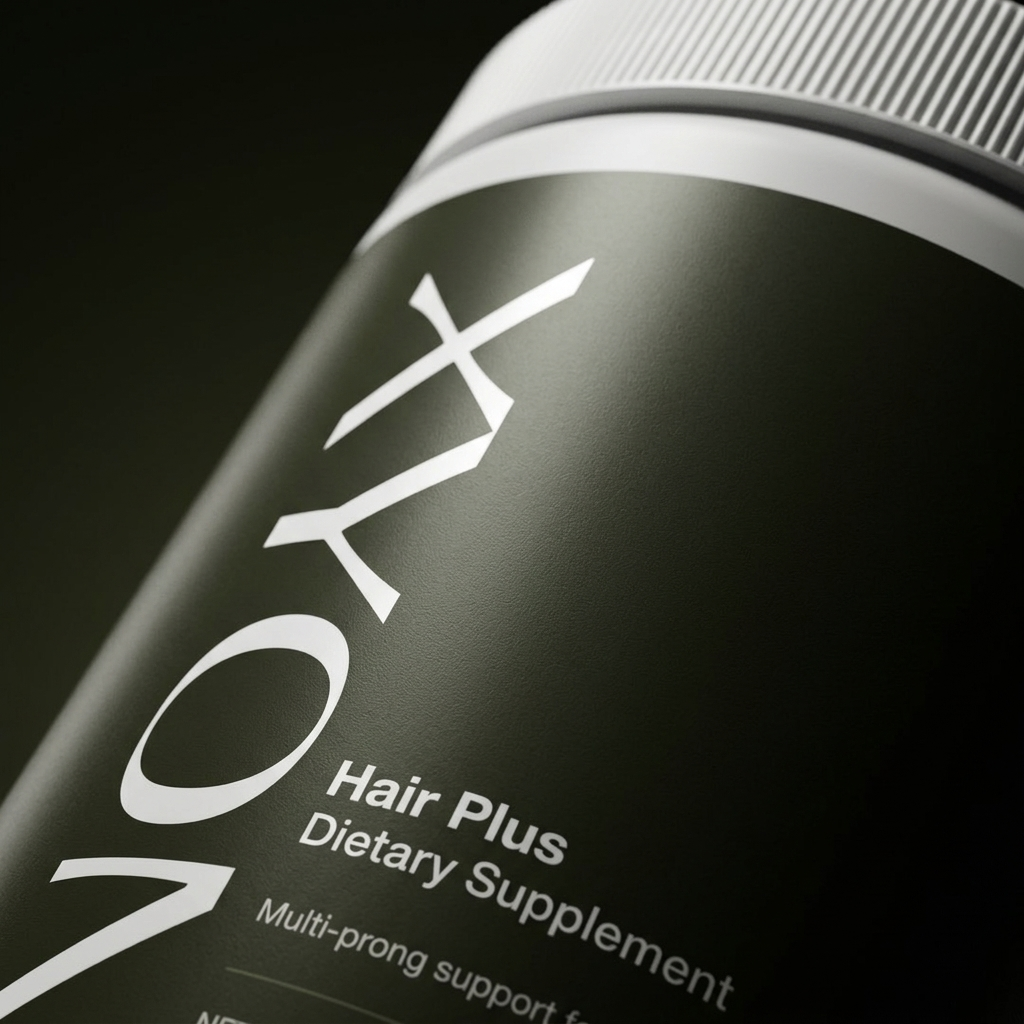
5) Supplements and vitamins: When do they help?
We get asked all the time whether supplements and vitamins can help with hair loss. The dermatologist-vetted response is that it depends, is a nutrient deficiency the reason why you’re losing your hair? If so, consulting with a doctor to determine what kind of supplement is needed can help get your hair growth back on track.
But what if you don’t have a deficiency, and you’re just wondering if taking collagen, biotin, or even a multivitamin could help? Collagen could be beneficial to hair growth, but the molecule is too big to be absorbed by the body as is. It needs to be broken down into smaller peptides before it can take effect. It’s also important to understand that these peptides don’t solely influence hair, but other tissues including skin and nails.
There is also some evidence pointing to the potential role of vitamin D, some B complex vitamins (including biotin) and iron in hair growth. However, if you’re dealing with something like pattern hair loss which has a hormonal cause, it’s unlikely that they’ll stop the progression of thinning.
Dr. Han: "It’s unlikely that supplements and vitamins on their own will grow hair and they won’t help those with pattern hair loss, but they can be helpful for people experiencing hair breakage due to brittle hair, fine hair, hair exposed to the elements (for example, sun, saltwater or chlorine, heat or chemical styling) or those who may be nutritionally deficient in protein, such as individuals following a vegetarian or vegan diet.
It's important to be aware of marketing claims and the possible risks associated with relying on supplements for hair loss. For instance, supplements alone are not likely to treat androgenetic alopecia (pattern hair loss) so relying on these as a sole source of treatment is going to be disappointing and even potentially delay progress.
Supplements should be thought of as a way to support existing hair and optimizing underlying health, but the evidence is clear in that they cannot regrow hair in those suffering from pattern hair loss."
6) Scalp treatments for inflammation, itching and dandruff
Because dermatologists specialize in skin, it’s no surprise that many recommend taking care of scalp skin as a way to promote and maintain healthy hair. We’ve already talked about how ketoconazole and anti-dandruff shampoos may help with hair loss. We could take a step back and look more generally at the benefits of maintaining good scalp hygiene.
Every day your scalp skin is faced with pollution, environmental damage (including sun damage), build-up of hair products, oil, sweat and microorganisms. If you aren’t shampooing regularly, constantly wearing the same hats, or using the same pillowcases without washing them, you’re keeping those potential irritants on the skin.
Over time, these can compromise the skin barrier, leading to itching, redness, and inflammation. While these processes don’t directly cause hair loss, they can make certain scalp skin conditions worse and slowly affect the quality of hair growth.
As for how often to wash your hair? That depends on how oily your hair is and what activities you’re taking part in. There’s no golden rule, but when you do shampoo, it’s worth looking for a formula that uses gentler cleansing ingredients to avoid drying your skin.
Dr. Han: "Scalp oils and serums can be helpful especially if they contain ingredients that have some science in supporting follicles (e.g., saw palmetto). Whether it is oils, masks, serums, the key is finding the right formulation that works for your scalp type.
If you tend to suffer from dry scalp, you may want to choose oil-based formulas to boost hydration. Those that suffer from dandruff and greasy scalp skin may want to opt for a dedicated shampoo or a light serum. Massage is helpful in those who want to help de-flake the scalp, stimulate blood flow and also is a great way to destress and release endorphins which can temporarily make us feel less stressed – all good things when it comes to hair health."

7) Laser therapy and LLLT devices
Whether you’re considering an at-home laser device or going to a specialty clinic for laser treatment, recognize that this is a relatively new technology, and its benefits for hair loss are still being studied.
LLLT (low level laser therapy, also referred to as red light therapy) relies on photo biomodulation to stimulate biological processes. Essentially, light is being used to trigger the body’s pathways to promote hair growth and collagen production. For at-home users, this usually takes the form of a comb or helmet that you wear for a few minutes several times a week, but this depends on device specifications.
How exactly does LLLT cause hair growth? Some researchers think that the energy delivered by these low energy “lasers” is absorbed by cells and goes on to power certain chemical reactions. These reactions lead to more energy being produced by cells and therefore, increased production of all the necessary components (enzymes, growth factors, etc.) involved in hair growth. Others think that LLLT could also help with blood circulation.
Dr. Han: "There is emerging evidence that photomedicine can be helpful in the skin and hair follicles. This can be a great option for those looking for something that is non-invasive and can be done in the comfort of home. It can be pricey and there are no guarantees that one will regrow hair as more evidence needs to be gathered in understanding efficacy for hair growth. I still advise patients to use this as a supportive modality when it comes to managing pattern hair loss."
When to see a dermatologist
We just went over the top 7 dermatologist recommended hair growth products and solutions. However, they don’t replace the potential need for you to consult with a medical professional or doctor about hair loss. In some cases, hair loss is progressive, so if you let it go for too long without seeking a professional opinion, it could affect your chances of re-growing hair.
Some triggers for needing to see a doctor include shedding that suddenly gets worse (either in volume or how quickly it happens), areas of scalp that don’t fill back in over time, any signs of pain or discomfort on the scalp, these all warrant potential medical attention. If you have a family history of hair loss conditions, this is also good to mention to your doctor.
The bottom line: Choose the best products based on your goals
There are so many different options for treating hair loss. Some are medications that require a consultation and prescription, while others can be purchased off the shelf or involve adopting something into your daily routine.
The bottom line is that the best products or solutions for you are going to depend on the type of hair loss you have and what your hair growth goals are. If you have access to one, a dermatologist can be an invaluable resource and ally as you navigate your hair regrowth journey. Interested in connecting with a hair loss expert? XYON can help.

Dr. Christina Han, MD FRCPC
Canadian and U.S. board-certified Dermatologist
XYON: Medical Director
Education
Dermatology (Postgraduate Residency) — University of British Columbia (UBC), Canada — 2012
Doctor of Medicine (MD) — University of British Columbia (UBC), Canada — 2007
Bachelor of Science (BSc), Microbiology & Immunology — University of British Columbia (UBC), Canada — 2002
Additional Training
Additional dermatological training — Yonsei University, Seoul
Focus areas: dermatological and laser surgery; skin cancer treatment
Board Certification
Canadian board-certified dermatologist
U.S. board-certified dermatologist
References:
Chen, L., Zhang, J., Wang, L., Wang, H., & Chen, B. (2020). The Efficacy and Safety of Finasteride Combined with Topical Minoxidil for Androgenetic Alopecia: A Systematic Review and Meta-analysis. Aesthetic Plastic Surgery, 44(3), 962–970. https://doi.org/10.1007/s00266-020-01621-5
Hu, R., Xu, F., Sheng, Y., Qi, S., Han, Y., Miao, Y., Rui, W., & Yang, Q. (2015). Combined treatment with oral finasteride and topical minoxidil in male androgenetic alopecia: a randomized and comparative study in Chinese patients. Dermatologic Therapy, 28(5), 303–308. https://doi.org/10.1111/dth.12246
